Extradition Between Antigua and the US
How extradition works between Antigua and Barbuda and the United States, the applicable treaty provisions, and legal defence options for individuals at risk.

The geographic location of Antigua and Barbuda, close to the U.S. Virgin Islands and Puerto Rico, makes the jurisdiction an attractive transit point for drug trafficking, money laundering, tax evasion, and other financial crimes. To address these legal risks, the state has entered into a number of anti-crime agreements.
For more than 20 years, the United States and Antigua and Barbuda have had a bilateral extradition and mutual legal assistance treaty in place. Even when there are formal grounds for surrender, however, the extradition process can still be challenged through legal channels. Our lawyers have extensive experience handling extradition matters across different jurisdictions, and we are prepared to develop an effective defense strategy tailored to the facts of each case.
The Extradition Process Between Antigua and the USA
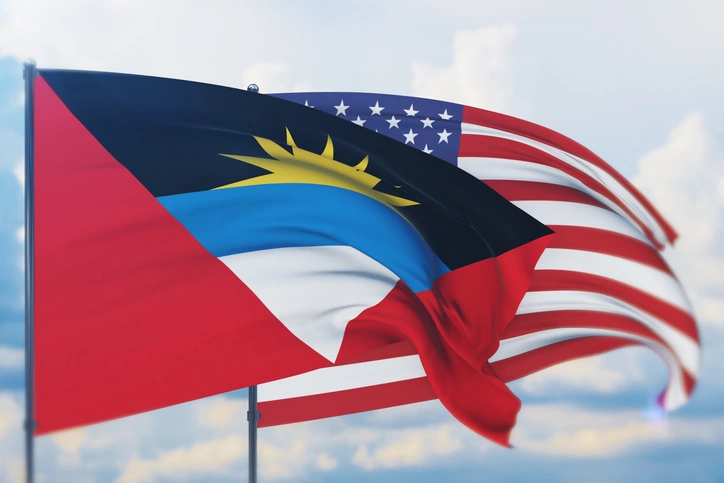
The United States and Antigua and Barbuda are parties to an Extradition Treaty signed on June 3, 1996, which entered into force on July 1, 1999. This treaty sets out the legal framework and procedures for the transfer of individuals between the two jurisdictions and supports cooperation in combating crime.
Extradition between Antigua and Barbuda and the United States applies to offenses such as murder and grievous bodily harm, kidnapping, sexual and labor exploitation, terrorism financing, the preparation and commission of terrorist acts, financial fraud, money laundering, bribery, embezzlement of public funds, drug trafficking, and cybercrime. In general, extradition applies only to offenses punishable by imprisonment for at least one year.
The process begins when one side submits a formal request through diplomatic channels.
An extradition request must include the following:
- identification details of the suspect, including full name, date and place of birth, nationality, physical description, and photographs;
- legal documents, including copies of an international arrest warrant, indictment, or court judgment;
- a description of the offense, including a detailed statement of facts, the legal classification of the act, and the applicable statutory provisions;
- evidence linking the person to the offense, if such evidence is required under the law of the requesting state.
The requesting state may also seek the provisional arrest of the person before filing the formal extradition request. Provisional detention usually does not exceed 60 days. If the formal request is not received within that period, the person may be released.
The authorities of the requested state carry out an initial review. They assess whether the request complies with the terms of the extradition treaty and whether extradition would violate the fundamental rights of the accused.
If the request meets the legal requirements, a provisional arrest warrant may be issued. The accused is then detained pending the outcome of the judicial proceedings. At that stage, the person has the right to legal defense and consultation with counsel.
At the extradition hearing, the court examines the evidence submitted, checks compliance with the principle of dual criminality, and considers whether there are grounds for refusal.
If the court authorizes extradition, the accused has the right to appeal to a higher court. The appeal may address errors or violations that occurred during the original hearing. In practice, the appellate process can take several months or even years.
Even after judicial approval, the final decision often remains with the executive branch, for example the Minister of Justice or the President. Once all legal and administrative steps have been completed, the accused is surrendered to the requesting state.
Legal Protection for Individuals Facing Extradition
From the moment of arrest or formal notice of extradition proceedings, you have the right to qualified legal assistance. A lawyer can help you understand the case and build an effective defense strategy. Communication with your lawyer is confidential and protected by law.
You must be informed immediately of the reasons for your detention and the offenses you are accused of. You also have the right to receive copies of all documents related to the request, including indictments and supporting evidence.
Your case must be heard by an independent and impartial court in accordance with the law of the requested country. A person is presumed innocent until proven guilty in court. The accused also has the right to present evidence in their defense and challenge the allegations.
You have the right to appeal a court decision authorizing extradition before a higher judicial authority. During the appeal, extradition is usually suspended, which gives the defense more time to prepare.
Your lawyer may challenge whether there is sufficient evidence to justify extradition by pointing to weaknesses or inconsistencies in the materials submitted. The offense must also be punishable in both countries. If it is not, extradition may be denied. Extradition is not permitted for political offenses.
If the requesting state cannot guarantee a fair trial, that may also be a ground to refuse extradition. In addition, if the offense carries the death penalty in the requesting country, the requested state may approve surrender only if reliable assurances are given that the sentence will not be carried out.
Procedural mistakes or violations by the requesting state may also justify refusal. If the statute of limitations has expired, extradition should not proceed.
An appeal must be filed within the time limits established by law. Your lawyer will help ensure that all formal requirements are met. Where necessary, you may seek review before the highest courts of the country. In exceptional cases, it may also be possible to apply to international courts or human rights bodies.
Challenges in Extradition Cases Between Antigua and the USA
Extradition cases often involve practical and legal difficulties that delay or complicate the surrender of accused or convicted persons. Antigua and Barbuda has a mixed legal system based on English common law, while the United States has a common law system divided between federal and state jurisdictions.
Differences in how offenses and penalties are defined can create problems when applying the principle of dual criminality, which requires the conduct to be criminal in both jurisdictions.
Antigua and Barbuda still retains the death penalty in law, although it is not carried out in practice. In the United States, the death penalty remains available only in certain states. If extradition could expose the person to that punishment, it may become a ground for refusal.

Consequences for Businesses and Expatriates
A person facing an extradition request may remain in custody for months or even years while the case is being reviewed. The extradition process can interfere with the ability to continue working and maintaining a normal personal life. Public attention around the case may damage an expatriate’s reputation, even if the charges are eventually dropped.
Company directors accused of financial or regulatory offenses may become targets of extradition requests. Allegations against key employees can lead to the freezing of corporate assets or the cancellation of licenses. An extradition case may also harm the company’s reputation with business partners and clients. Investors may hesitate to put money into a business linked to criminal proceedings.
The financial consequences can also be serious. Legal costs, settlement efforts, the loss of key clients, and reduced profits often follow.
Seeking Legal Assistance in Extradition Matters
Extradition between the United States and Antigua and Barbuda is governed by both domestic law and international treaty obligations. Our legal team focuses on international law and has many years of experience handling extradition cases. We are well familiar with the terms of the extradition treaty between the United States and Antigua, which allows us to represent our clients effectively.
Our lawyers build defense strategies around the specific circumstances of each case. We also bring in specialists from different areas of law where needed to strengthen the defense. Our team works to reduce reputational, financial, and legal risks for every client.
Contact our extradition lawyers today for an initial consultation and to discuss the next steps in protecting your interests. We will do everything we can to minimize the risks and work toward the best possible outcome.